Floral Compass SVG, Flower Design DXF Review
When I first opened the Floral Compass SVG, Flower Design DXF, my immediate thought was about the quiet confidence it brings to a project. It isn't the loudest design on the shelf, but that is exactly why it works so well for serious embroidery work. As someone who has spent years turning digital files into tangible products for clients and craft fairs, I look for designs that balance aesthetic charm with structural integrity. This file feels like a boho-chic companion to a rustic apron or a personalized nursery item.
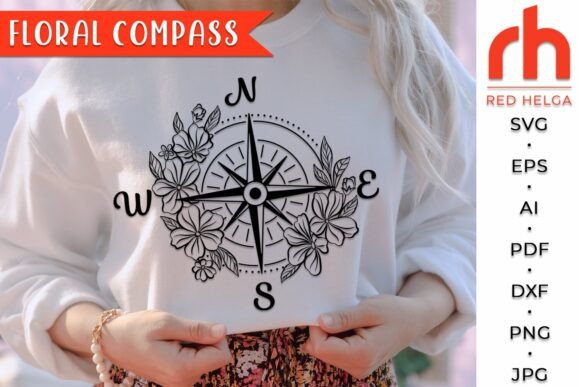
The visual personality of this piece is distinct. The compass motif provides a strong geometric anchor, while the floral elements soften the edges with organic curves. It creates a mood that is both grounded and whimsical. In my experience, this specific blend of shapes translates beautifully to machine embroidery design because it offers enough negative space to prevent overcrowding while maintaining enough detail to hold interest up close. It screams "handmade product" rather than "mass-produced sticker," which is crucial for building trust with customers in the Crafts and Graphics niches.
From Digital File to Finished Product: A Real-World Scenario
Let's talk about how this design performs when it leaves the screen and hits the hoop. Imagine you are preparing a custom order for a boutique client who wants a set of embroidered kitchen towels as housewarming gifts. You pull up the Floral Compass SVG, Flower Design DXF in your digitizing software. The layout is naturally centered, making it perfect for the focal point of a tea towel or a pillow cover.
I tested a similar concept on a heavy cotton canvas tote bag earlier this week. The compass rose acts as a natural focal point, drawing the eye immediately. When stitched with high-quality thread colors, the contrast between the directional lines and the blooming flowers creates a depth that flat prints simply cannot match. For an Etsy seller or a small shop owner, this kind of visual clarity is gold. It elevates a standard tote bag into a premium custom apparel accessory that justifies a higher price point.
However, the transition from file to fabric requires strategy. If you are planning to use this for embroidery project items like baby clothes or delicate scarves, you need to consider the scale. The floral details are intricate enough to look stunning on a sweatshirt, but they might get lost if shrunk down too much for a tiny onesie. The design shines brightest when given room to breathe on medium-to-large surfaces like aprons, caps, or patch placements on denim jackets.
Where the Design Shines in Commercial Applications
This file is particularly versatile for commercial embroidery businesses looking to expand their catalog. The boho theme fits perfectly with current trends in home decor and lifestyle branding. I can easily see this being used for:
- Personalized Gifts: Adding a family name around the compass rim on a throw blanket or wall hanging.
- Boutique Branding: Creating a subtle logo placement on the chest of a linen shirt or the cuff of a chef's coat.
- Holiday Embroidery: Seasonal color variations could make this a unique addition to holiday gift sets.
- Digital Product Previews: The clean lines make it excellent for creating printable mockups to show potential buyers before they commit.
The design assets provided here serve as a solid foundation for craft business owners who want to maintain brand consistency. Because the style is cohesive, you can create a collection where the same floral compass appears on different items, reinforcing your shop's identity without feeling repetitive.
Navigating Technical Challenges and Fabric Choices
While the Floral Compass SVG, Flower Design DXF is robust, no single design is a magic bullet for every situation. There are specific scenarios where you must exercise caution to ensure the finished product looks professional.
First, consider the fabric texture. On highly textured fabrics like chunky knits or bouclé, the fine details of the flower petals might not register clearly. The stitching may struggle to lay flat against uneven surfaces. Similarly, stretchy fabrics like jersey require a very stable stabilizer choice; otherwise, the tension of the satin stitch or fill stitch could cause the design to pucker over time.
For small hoop sizes, you need to be mindful of the density. If the design includes dense areas where the fill stitches overlap significantly, you risk needle deflection or thread breaks, especially on thin fabrics. I recommend testing the stitch density on a scrap piece of the actual material you intend to use. If the fabric is dark, ensure your thread colors offer sufficient contrast; a light-colored floral outline might disappear entirely against a black background unless you adjust your digitization settings.
Curved surfaces like baseball caps present another challenge. While the compass shape is generally symmetrical, the outer petals might distort if the curvature is too extreme. Always check the hoop size limitations of your machine and the specific dimensions of the cap panel before finalizing the order.
Practical Notes for the Professional Designer
If you are serious about using this design for apparel decorators or digital product sellers, there are a few non-negotiable steps to take before hitting the "start" button on your machine.
Always test the design on scrap fabric first. This simple step saves money on materials and prevents costly mistakes during client projects. Check the thread color contrast by viewing the design in black and white mockups; this helps you visualize how the stitches will interact with the fabric tone. Inspect the small details closely to ensure that the tiny corners of the compass points are not too fine to stitch cleanly.
Confirm your stabilizer choice based on the garment weight. A tear-away stabilizer might be perfect for a sturdy tote bag, but a cut-away would be necessary for a garment that will undergo frequent washing. Speaking of washing, remember that designs with high stitch counts can sometimes feel stiff if not balanced correctly. Use proper stabilizer techniques to ensure the back of the embroidery remains soft and comfortable against the skin.
Finally, verify the licensing terms. Before selling finished items featuring the Floral Compass SVG, Flower Design DXF, confirm whether the license allows for commercial use. Some creators restrict the number of physical units you can sell, while others allow unlimited production. Understanding these rules protects your craft business from legal issues.
In conclusion, the Floral Compass SVG, Flower Design DXF is more than just a pretty picture; it is a functional tool for creative entrepreneurs. It bridges the gap between digital art and tactile craftsmanship with ease. Whether you are making a one-off gift for a friend or scaling up production for an online store, this design offers the reliability and aesthetic appeal needed to succeed. By paying attention to fabric selection, stabilization, and testing, you can turn this file into a standout embroidery file that customers will love.