Flower One Line Art: A Designer's Real-World Embroidery Review
As someone who has spent years stitching custom apparel, designing boutique merchandise, and reviewing digital assets for the craft business, I know that a pretty picture on a screen doesn't always translate to a beautiful finished product. The gap between a vector file and a stitched reality is where many designers stumble. Today, I am putting Flower One Line Art through its paces to see if it holds up when transferred from a digital workspace to an embroidery machine.
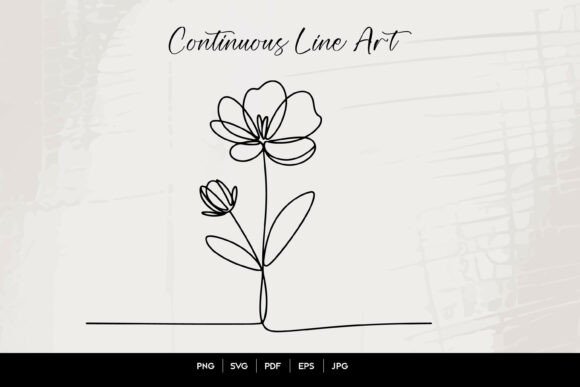
When I first opened the zip file containing this design, the immediate impression was one of serene minimalism. In a market saturated with dense floral arrangements and intricate botanical illustrations, Flower One Line Art stands out because of its restraint. It captures the essence of a bloom without getting bogged down in excessive detail. For a crafter or small shop owner looking to add a touch of elegance to a tote bag design or a sweatshirt embroidery project, this continuous line style offers a modern, sophisticated aesthetic that appeals to contemporary buyers.
The Mood and Visual Personality
This design feels like a quiet moment in a busy studio. The single-stroke nature of the flower creates a sense of fluidity and movement, which is rare in static embroidery files. It suggests a hand-drawn quality, even though it is a digital asset. When you look at the preview images, the layout is balanced, leaving enough negative space around the subject so that it doesn't feel cramped when stitched.
In terms of visual personality, Flower One Line Art leans towards the delicate and refined. It is not a bold statement piece meant to dominate a garment; rather, it is a subtle accent that elevates the overall look. This makes it incredibly versatile for personalized gifts, nursery decor, or branding elements for a boutique. The simplicity allows the texture of the thread and the fabric to shine, which is crucial for high-quality handmade products.
Real-Life Application: From Screen to Stitch
I decided to test this design by creating a mock-up for a custom embroidered apron intended for a local coffee shop gift set. The goal was to place a small logo on the chest area. Using the provided SVG and EPS files, I imported the design into my digitizing software. The clean lines of Flower One Line Art translated well, but the real test lies in how the machine interprets those lines.
For a project like this, the design relies heavily on running stitch to mimic the continuous line effect. If the stitch density is too high, the line will become thick and lose its airy feel. However, if the density is too low, the design may look sparse on textured fabrics like canvas or denim. In my experience, this specific file works best when treated as a decorative outline rather than a filled shape. It pairs beautifully with a simple satin stitch border if you want to add a bit more weight to the edges.
Imagine applying this to a baby onesie. The softness of the single-line flower complements the gentle nature of baby items perfectly. It avoids the "heavy" look that can sometimes occur with large fill stitches on thin cotton. Similarly, for a holiday embroidery project on a kitchen towel, the minimalist approach ensures the design remains legible even after multiple washes. Customers often prefer these understated designs because they don't clash with the patterns of their home decor or clothing styles.
Navigating Technical Challenges
While Flower One Line Art is a strong candidate for many projects, there are specific scenarios where caution is required. The most critical factor is the hoop size. Because the design features fine, continuous lines, attempting to stitch it in a very small hoop can result in distortion. The curve of the flower might flatten against the fabric, losing its organic flow. I recommend testing this on scrap fabric in your intended hoop size before committing to a final product.
Fabric choice is equally important. On stretchy knits, such as t-shirts or caps, the tension of the running stitch can cause puckering if not stabilized correctly. You must use a high-quality cut-away stabilizer to ensure the design lays flat. On dark fabrics, the visibility of the single line depends entirely on your thread colors. A white or light-colored line art design will pop beautifully on navy or black, but on gray or brown, it might get lost unless you choose a high-contrast thread. Always inspect small details under different lighting conditions to ensure clarity.
Another consideration is the durability of the design on items that undergo frequent washing, like aprons or workwear. While the single-line style is elegant, it requires precise tension settings. If the stitch density is uneven, the thread may break or create gaps over time. For commercial embroidery projects, consistency is key to maintaining customer trust and brand reputation.
Strategic Use Cases for Your Business
If you are an Etsy seller or a maker looking to expand your craft business, this design fits seamlessly into several niches. It is ideal for creating embroidered patches where the clean lines define the shape clearly against a background. It also works exceptionally well for digital product sellers who offer printable mockups, as the simple composition allows clients to visualize the design on various products easily.
- Caps and Hats: The curved surface of a cap can be tricky, but the fluid nature of this flower adapts well to the dome shape if sized correctly.
- Pillow Covers: The design adds a chic, artistic touch to throw pillows without overwhelming the room's aesthetic.
- Boutique Branding: Use it as a subtle logo on tags or labels to convey a sense of artisanal care.
Practical Designer Notes for Success
Before you rush to order a bulk batch of shirts or tote bags, there are a few steps every professional should take. First, always check the licensing terms associated with the Flower One Line Art file. Ensure you have the right to sell finished products made from this design, especially if you plan to list them on platforms like Etsy or Amazon Handmade.
Secondly, perform a thorough color contrast test. Convert the design to black and white in your software to see how the lines interact with potential background colors. Sometimes, a design looks great in full color but loses definition when simplified. Third, review the stabilizer requirements. If the file includes instructions, follow them; if not, err on the side of extra support to prevent fabric warping.
Finally, consider the end-user experience. A finished product featuring Flower One Line Art should feel premium. The lack of clutter allows the craftsmanship to speak for itself. Whether you are creating a wedding gift, a corporate giveaway, or a unique piece of custom apparel, this design asset provides a solid foundation for a professional look.
In conclusion, Flower One Line Art is a valuable addition to any designer's library, particularly for those focusing on minimalism and modern aesthetics. Its success depends largely on the execution—specifically the choice of fabric, thread, and stabilization. By treating it with the same care as a complex multi-color design, you can produce stunning results that resonate with customers and elevate your brand presence in the competitive world of handmade goods.