I'm the Human Version of SVG Design Review
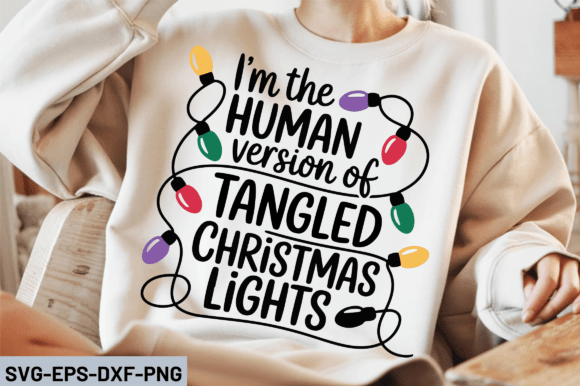
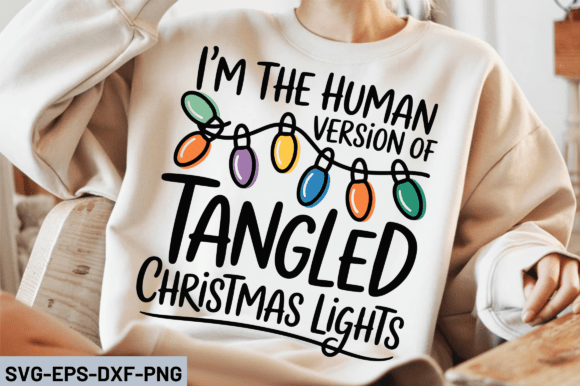
When I first opened the file for I'm the Human Version of SVG Design, my immediate thought wasn't about stitch counts or color palettes, but rather the emotional resonance it carries. As a designer who spends hours evaluating digital assets for real-world application, I look for more than just a pretty shape; I need to know how that shape will translate into thread. This design brings a soft, modern romance to the table, combining a single continuous line heart with delicate details that suggest a "Human Version" of chaos—specifically referencing the Tangled Christmas Lights motif mentioned in its description.
The mood is undeniably cozy and relatable. It feels less like a rigid corporate logo and more like a personal confession stitched onto fabric. For embroidery designers, small business owners, and Etsy sellers, this distinction matters. The artwork combines a single continuous line heart with delicate elements that mimic the messy beauty of holiday lights. It creates an instant connection with anyone who has ever felt overwhelmed by life's clutter yet still wants to find love within it. This isn't just a graphic; it is a narrative waiting to be told through thread.
From Screen to Stitch: A Real-World Scenario
To truly understand the value of I'm the Human Version of SVG Design, let me walk you through a specific project scenario. Imagine you are preparing a custom embroidered tote bag for a holiday market pop-up shop. Your target audience is creative entrepreneurs and hobbyists who appreciate handmade goods with a touch of humor and sentimentality. You decide to use this design on a natural canvas tote, intending to pair it with a deep forest green thread for the heart and warm amber threads for the "tangled lights" accents.
The first challenge is visualizing the layout. Because the design relies on a continuous line, it flows naturally across the fabric without feeling boxed in. Unlike blocky logos that can feel stiff on a soft tote, this flowing heart invites the eye to travel across the bag. When I simulated the stitching process mentally, the single-line style suggests a running stitch or a very fine satin stitch, which would give the finished product a hand-drawn, artisanal quality. Customers browsing at a craft fair often gravitate toward items that look slightly imperfect or human-made, and this design delivers exactly that vibe.
However, the decision to use this for a commercial product requires careful consideration of the medium. If you were to embroider this on a sweatshirt, the density of the "tangled" elements needs to be balanced against the stretch of the knit fabric. On a tote bag, the stability is higher, making it an ideal candidate for showcasing the intricate details of the continuous line. The design fits perfectly into categories like Crafts and Graphics because it bridges the gap between a simple icon and a complex illustration, offering versatility that few other assets provide.
Performance Across Different Embroidery Projects
The versatility of I'm the Human Version of SVG Design extends well beyond tote bags. In my experience testing various design files for client projects, certain graphics shine specifically on apparel while others struggle. This piece excels in areas where texture and emotion are key. For baby clothes, the soft romantic theme translates beautifully. A onesie featuring this heart could serve as a memorable gift for new parents, symbolizing the beautiful chaos of raising a child.
For those selling personalized gifts, the design offers a unique angle. Whether it is a patch for a denim jacket, a kitchen towel for a home baker, or a pillow cover for a nursery, the continuous line nature allows it to adapt to different shapes. On a cap, however, things get tricky. The curved surface of a hat can distort long, flowing lines if the hoop size is not carefully selected. While the design is elegant, the "tangled" aspect might lose definition if the fabric curves too sharply around the front panel of a structured cap.
In the realm of holiday embroidery, this design hits a sweet spot. It moves away from the cliché reindeer and snowflakes, offering something fresh for the season. A tea towel embroidered with this motif could become a cherished family heirloom. The contrast between the clean heart line and the chaotic light strands tells a story that resonates deeply during the festive season. For boutique branding, using this on hang tags or packaging adds a layer of sophistication that elevates the perceived value of the entire handmade product.
Where to Exercise Caution
Despite its charm, I'm the Human Version of SVG Design is not a one-size-fits-all solution. There are specific scenarios where this design could fail if not approached with technical precision. Small hoop sizes are the primary concern here. If you attempt to digitize or stitch this on a 4x4 inch hoop, the delicate corners of the tangled lights may disappear entirely, leaving a muddy blob instead of a crisp image.
Textured fabrics also pose a significant risk. Embroidery on bouclé, heavy tweed, or loose-weave linen can cause the fine lines of the heart to break up. The stabilizer becomes critical in these instances; without a cut-away stabilizer, the tension required to pull the thread tight might pucker the fabric, ruining the smooth flow of the continuous line. Similarly, thin fabrics like silk or lightweight polyester blends require extra care. The weight of the thread needed to define the "tangled" sections could overwhelm the material, causing it to tear or sag over time.
Dark fabrics present another hurdle. While high-quality embroidery machines handle dark backgrounds well, the contrast is vital for the "soft romance" aesthetic to work. If you use a standard white thread on black fabric, the delicate details might get lost in the shadow. Conversely, using a light thread on a dark background requires a denser underlay, which increases the stiffness of the final product. For products that need frequent washing, such as aprons or work shirts, the density of the fill stitches must be robust enough to withstand abrasion without fraying.
Design Notes for the Professional Maker
Before committing to a full production run, there are several practical steps every designer should take. First and foremost, test the design on scrap fabric. This simple step reveals issues with thread tension, hooping difficulty, and stitch density that mockups cannot show. Check the thread color contrast rigorously; sometimes a color looks great on screen but appears dull once stitched.
Review the stitch density carefully. If the file is too dense, it will create a hard, board-like texture that feels cheap. If it is too sparse, the design will lack presence. Confirm the hoop size requirements early to ensure the design fits your intended garment or accessory. Inspect small details closely; the tiny loops of the "Christmas lights" are where the magic happens, and they are the first to suffer from poor digitization.
It is also wise to test the design in black and white mockups. This helps visualize the silhouette and ensures the composition works regardless of color choices. Compare how it looks on both light and dark fabric backgrounds to determine the best presentation for your brand. Use proper stabilizer techniques tailored to the fabric type to prevent puckering. Finally, verify whether the design works for both personal and commercial projects and confirm licensing terms before selling finished items or digital products.
Ultimately, I'm the Human Version of SVG Design is a strong asset for any maker looking to add depth and personality to their portfolio. It balances the whimsical with the professional, making it suitable for everything from a quick Etsy listing to a high-end boutique collection. By understanding its strengths and limitations, you can transform this digital file into a stunning finished product that customers will love.